“`html
Exploring the World of Emotionally Intelligent Vehicles
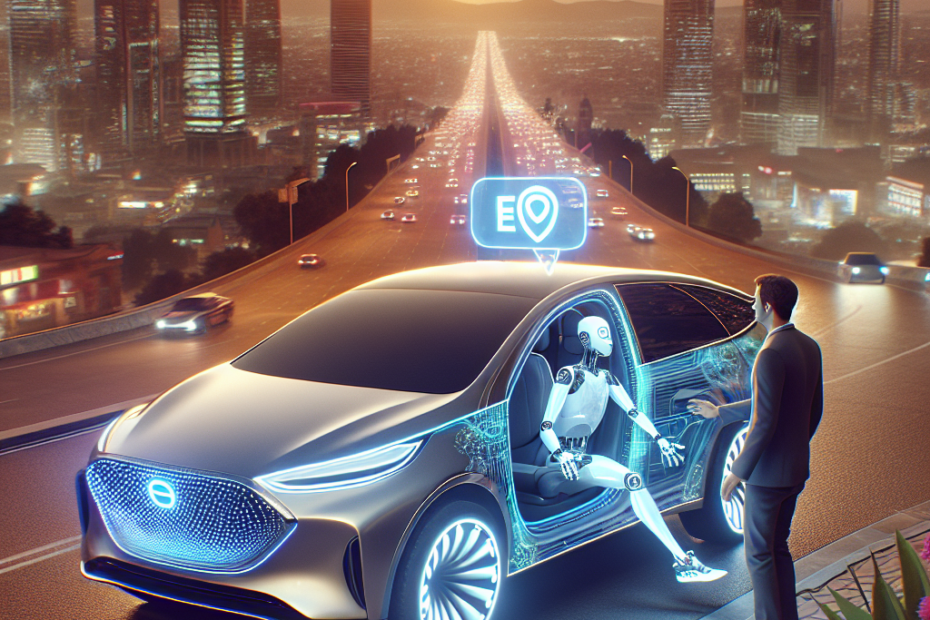
In an age where artificial intelligence is transforming industries, vehicles are no exception. They are stepping into a realm that combines technology with human-like awareness called emotionally intelligent vehicles. These vehicles are designed to interact with drivers on an emotional level, enhancing the driving experience by making it safer, more enjoyable, and personalized.
Understanding Emotional Intelligence in Vehicles
Emotional intelligence in vehicles means the car can sense, recognize, and respond to human emotions. They use sensors and cameras to pick up cues from the driver’s voice, facial expressions, and physical behavior. This data allows the car to adjust its settings or alert the driver to potential safety issues. For instance, if a driver seems stressed or tired, the car might suggest taking a break. They bring a new dimension to road safety by supporting the driver emotionally.
How They Work
Emotionally intelligent vehicles are equipped with advanced AI systems. These systems use deep learning models to evaluate data collected from inside the vehicle. Cameras in the car analyze facial expressions, while voice recognition software assesses tone and pitch. Sensors monitor heart rate and eye movements. By interpreting this data, vehicles adapt their environment to meet the driver’s emotional state.
Benefits of Emotionally Intelligent Vehicles
Emotionally intelligent vehicles promise multiple benefits. The most significant is increased safety. According to a report by the World Health Organization, approximately 1.3 million people die each year due to road traffic crashes. Emotionally intelligent vehicles can reduce these numbers by intervening before a problem occurs, such as when they detect signs of drowsiness in drivers.
| Features | Benefits |
|---|---|
| Emotion Recognition | Informs driving suggestions |
| Voice Analysis | Enhances user interface |
| Sensor-based Monitoring | Promotes road safety |
Challenges and Concerns
Despite their innovative capabilities, emotionally intelligent vehicles face several challenges. Privacy is a primary concern among users. The data collected for emotional analysis needs secure handling to prevent misuse. There are also technical challenges, as understanding and interpreting human emotions accurately is complex. The technology must be impeccably precise to ensure effectiveness while avoiding false positives that may lead to unnecessary interventions.
The Road Ahead
The future of emotionally intelligent vehicles looks promising. Automakers are investing heavily in this technology. According to a report by MarketsandMarkets, the use of AI in automotive is expected to grow at a compound annual growth rate of 39.7% from 2020 to 2025. Enhanced user experience, increased demand for connected vehicles, and advancements in autonomous vehicles drive this growth.
Companies like Tesla and Ford are already experimenting with these concepts, paving the way for mainstream adoption. With continuous improvement and collaboration between tech companies and automakers, we can expect more emotionally intelligent vehicles on the roads soon.
Key Takeaways
- Emotionally intelligent vehicles use AI to recognize and respond to human emotions.
- These vehicles enhance driver safety and experience by analyzing emotional cues.
- Despite privacy and technical challenges, the future of emotionally intelligent vehicles is promising.
- Automakers are heavily investing in this technology, leading to rapid industry growth.
FAQ
- What are emotionally intelligent vehicles?
Emotionally intelligent vehicles are cars equipped with AI systems that can detect and respond to human emotions. - How do these vehicles improve safety?
They detect signs of stress, fatigue, or distraction and alert or assist drivers to prevent accidents. - What are the main challenges facing emotionally intelligent vehicles?
Challenges include ensuring data privacy and accurately interpreting complex human emotions. - Which companies are leading the development of emotionally intelligent vehicles?
Companies like Tesla and Ford are at the forefront, integrating advanced AI technologies in their vehicles. - What is the future outlook for emotionally intelligent vehicles?
With ongoing investments and technological advancements, these vehicles are expected to become increasingly common.
Emotionally intelligent vehicles represent a significant leap forward in automotive innovation, merging cutting-edge AI with an understanding of human emotions. As they develop, these advanced vehicles have the potential to revolutionize the driving experience, making roads safer and journeys more enjoyable for everyone.
“`