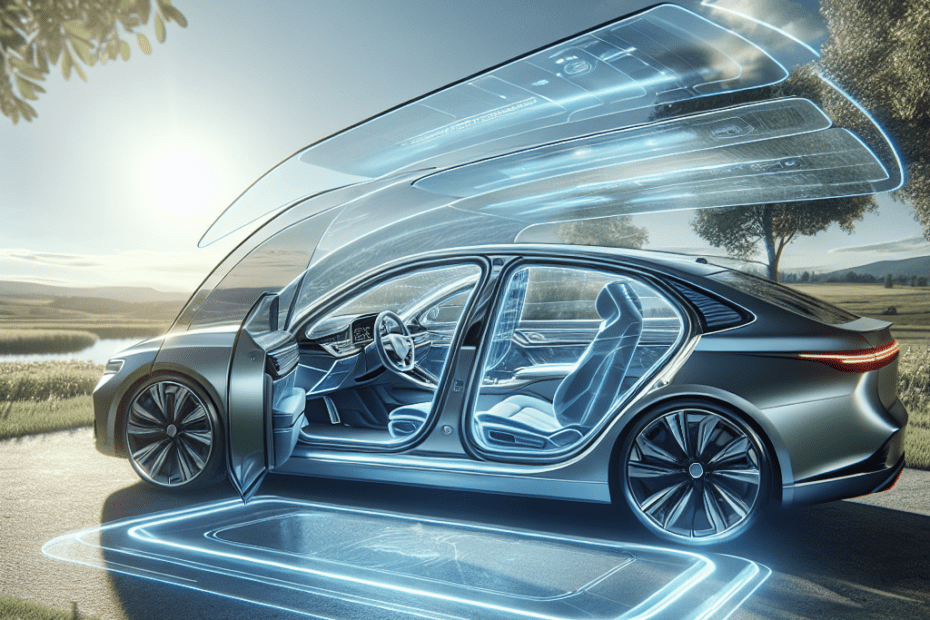
“`html
Revolutionizing Modern Vehicles: Electrochromic Car Windows
In recent years, the automotive industry has been experiencing a technological shift, embracing innovations that add convenience, efficiency, and style. Among these advancements, electrochromic car windows have emerged as a significant trend. Utilizing smart glass technology, these windows can adaptively change their tint to enhance comfort, security, and energy efficiency in vehicles.
Understanding Electrochromic Technology
Electrochromic car windows refer to glass that can change its level of transparency. This is achieved through an electrochemical reaction when an electrical voltage is applied. The layers of material within the glass alter their color and opacity, allowing passengers to control how much light and heat enter the vehicle. This smart technology not only improves privacy and reduces glare but also plays a part in increasing fuel efficiency by reducing the reliance on air conditioning systems.
How Electrochromic Car Windows Work
The technology involves several layers:
- Electrochromic Layer: At the heart of the system, this layer changes its chemical configuration when electrically charged, altering the tint of the glass.
- Electrodes: Thin, transparent layers conduct electricity across the glass.
- Ion Conducting Layer: This facilitates the movement and exchange of ions, crucial for the electrochemical reaction.
By applying a low voltage, ions move between layers, resulting in a tint change. This can be reversed or adjusted, offering variable control over light transmission.
Benefits of Electrochromic Car Windows
Adopting electrochromic technology in cars offers multiple benefits:
- Energy Efficiency: By regulating the amount of sunlight entering the car, these windows can help in maintaining a balanced climate, reducing the load on air conditioning systems, and subsequently improving fuel efficiency.
- Enhanced Comfort: The ability to control the amount of sunlight and heat entering the car leads to a more comfortable journey, especially during long drives in sunny conditions.
- Privacy and Security: Adjustable tint levels can offer increased privacy, helping to conceal belongings while simultaneously providing a sense of security.
- Reduced UV Exposure: By blocking excessive sunlight, these windows reduce the risk of ultraviolet exposure, which can be harmful over time.
Adoption in the Automotive Industry
Leading car manufacturers are integrating electrochromic windows in select models to align with the growing demand for smart vehicles. Research from Markets and Markets indicates that the global smart glass market is projected to grow from $4.7 billion in 2021 to $8.2 billion by 2026, reflecting an impressive CAGR of 11.4%. Increasing awareness and demand for energy-efficient technologies are driving this growth.
| Year | Market Value (USD Billion) |
|---|---|
| 2021 | 4.7 |
| 2026 (Projected) | 8.2 |
Potential Challenges and Considerations
While the benefits are promising, there are challenges associated with electrochromic car windows:
- Cost: The incorporation of advanced materials and technology can make these windows more expensive compared to traditional glass.
- Durability: Long-term exposure to varying environmental conditions might affect the longevity and performance of the electrochromic layers.
Despite these challenges, ongoing research and development efforts are continually improving the durability and affordability of smart window technologies.
Key Takeaways
- Electrochromic car windows utilize smart glass technology to change transparency with electrical signals.
- They offer energy efficiency, enhanced comfort, privacy, and UV protection.
- The global market for smart glass is rapidly growing, projected to reach $8.2 billion by 2026.
- Challenges include higher costs and potential durability issues.
FAQ
- How do electrochromic car windows work?
They use an electrochemical process that changes the glass’s tint when low voltage is applied, allowing control over light transmission.
- Are electrochromic windows energy efficient?
Yes, they help regulate temperature by reducing the need for air conditioning, improving overall fuel efficiency.
- Do electrochromic windows block UV rays?
Yes, they significantly reduce UV exposure by blocking excessive sunlight.
- Are these windows expensive?
Electrochromic windows are generally more costly due to the advanced technology and materials used.
- Can I get electrochromic windows for any car?
Currently, they are mainly available in select luxury and high-tech vehicle models, but broader implementation may become more common as technology advances.
“`