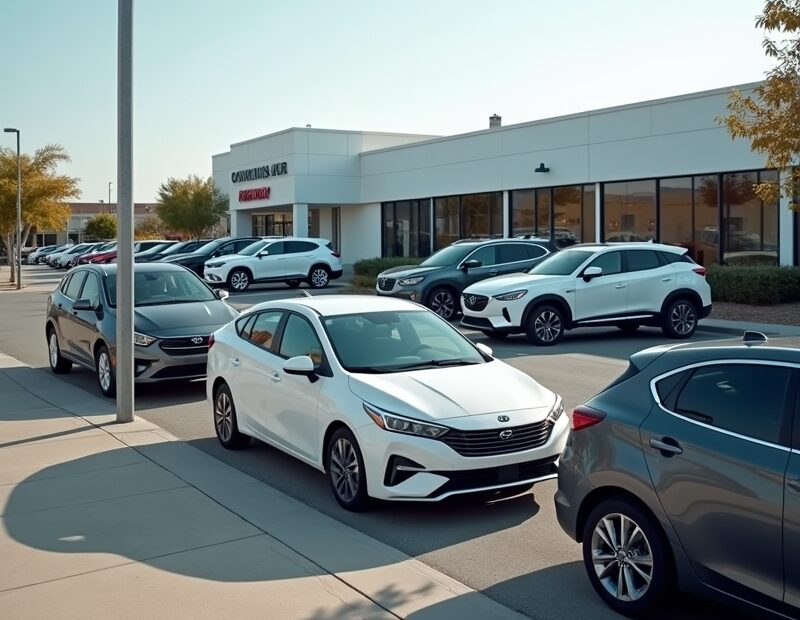
The best cars under $35,000 are usually the ones that balance reliability, safety, fuel economy, and realistic ownership costs instead of chasing extra power or flashy trim. For most US buyers, compact SUVs, hybrids, and well-equipped midsize sedans often deliver the strongest value.
Best Cars Under $35,000 is really about finding the right balance, not chasing the longest feature list. In this price range, the smartest buys are usually practical sedans, compact SUVs, and hybrids that give you strong safety features, solid fuel economy, and manageable long-term costs.
If you want the short version, prioritize reliability, standard driver-assistance features, comfort for your daily use, and trims that keep your budget intact. For many buyers, that leads to a well-equipped compact SUV, a midsize sedan, or a hybrid rather than a loaded entry-luxury model or an oversized vehicle with higher running costs.
If you are still setting your budget, start with CroAuto’s How Much Car Can I Afford Calculator before you shop.
Short Answer
The best cars under $35,000 are usually compact SUVs, practical sedans, and hybrids that deliver dependable transportation without pushing you into higher fuel, tire, insurance, and maintenance costs. The strongest value usually comes from choosing the trim level that covers your must-have features and skipping expensive appearance packages or power upgrades you do not really need.
Key Takeaways
- Best overall value often comes from compact SUVs, hybrids, and midsize sedans.
- Reliability and ownership cost matter more than a bigger screen or upgraded wheels.
- Good fuel economy can save real money over several years, especially for commuters.
- Safety tech is worth prioritizing if it is included without stretching your budget.
- Top trims are not always the smart buy; mid-level trims often hit the sweet spot.
- Used and certified options may unlock a better class of vehicle if new-car pricing feels tight.
What Matters Most When Choosing the Best Cars Under $35,000
At this budget, the right choice depends less on brand image and more on how the vehicle fits your real life. A car that looks like a deal on paper can become expensive if it uses more fuel, needs pricier tires, or carries higher insurance costs.
1. Reliability first
If you plan to keep the vehicle for many years, reliability should be near the top of your list. A dependable car is usually a better value than a more powerful or more stylish option that may cost more to maintain. In many cases, mainstream models with proven powertrains are the safer pick for budget-conscious buyers.
2. Safety features you will actually use
Look for standard features such as automatic emergency braking, blind-spot monitoring, lane-keeping support, and adaptive cruise control if available within budget. These features are especially valuable for commuters, new drivers, and families.
3. Fuel economy and daily driving costs
For buyers who drive a lot, strong fuel economy can matter more than an extra 30 horsepower. Hybrids and efficient small crossovers often make the most sense if you have a long commute or do frequent city driving. You can also explore more ownership-focused advice in CroAuto’s ownership costs section.
4. Avoid paying for the wrong trim
Many cars under $35,000 become less attractive once you jump to appearance-heavy trims with larger wheels, panoramic roofs, and bundled options. Bigger wheels can mean more expensive tires and sometimes a firmer ride. If value is the goal, buy the trim that covers your actual needs.
5. Match the vehicle to your life
A compact sedan may be the smartest commuter choice. A compact SUV may be the better family choice. A hybrid may be ideal for high-mileage drivers. The best value car is the one that suits your day-to-day use without overbuying.
The Best Types of Cars Under $35,000 for Most Buyers
Rather than pretending one model fits everyone, it is more useful to look at the strongest vehicle types in this budget.
Compact SUVs: the safest all-around bet
For many US buyers, compact SUVs are the sweet spot. They usually offer easy entry and exit, flexible cargo space, available all-wheel drive, and family-friendly practicality without the extra cost of a larger SUV. They make sense for commuters, couples, small families, and buyers who want one vehicle to do a little bit of everything.
The trade-off is that some compact SUVs can cost more than a comparable sedan while also delivering slightly poorer fuel economy. If you rarely use the cargo area or higher seating position, a sedan may still be the smarter buy.
Hybrid sedans and hybrid crossovers: strongest for commuting value
If your priority is low monthly fuel spending, a hybrid is often one of the best value cars in this budget. These vehicles can make a lot of sense for drivers who rack up miles, spend time in traffic, or want lower day-to-day costs without going fully electric.
The main consideration is pricing. Some hybrid trims can approach the top of this budget quickly, so it helps to compare the fuel savings against the higher purchase price.
Midsize sedans: comfort and value without SUV pricing
Midsize sedans remain a smart choice for buyers who want a comfortable ride, usable back seat, and good highway manners. They often deliver strong value because they can undercut similarly equipped SUVs while still feeling spacious enough for daily family use.
They are not as cargo-friendly as SUVs, but if you mostly drive on-road and do not need hatch-style flexibility, they deserve a serious look.
Compact sedans: best for buyers who want maximum efficiency
Compact sedans are often the easiest way to stay well under budget while still getting modern safety features and a comfortable daily driver. They are especially good for commuters, students, first-time buyers, and households adding a second car.
The trade-off is space. If you regularly carry adults in the rear seat or need bulky cargo space, you may outgrow one faster than expected.
Best Cars Under $35,000 by Buyer Type
Best for commuters
A hybrid sedan, efficient compact sedan, or small crossover usually makes the most sense. Focus on fuel economy, seat comfort, visibility, and active safety features. A lower running cost matters more than sporty styling if you drive every day.
Best for small families
A compact SUV is usually the strongest fit. Look for easy child-seat access, rear-seat space, straightforward infotainment, and practical cargo space for strollers, groceries, and weekend gear.
Best for first-time buyers
Choose a model with a strong reliability reputation, simple controls, and an easy-to-understand trim structure. Avoid stretching your budget for image-driven upgrades. Insurance and maintenance matter just as much as the purchase price.
Best for value-focused shoppers
A midsize sedan or compact sedan often gives you more features for the money than an SUV. If you do not need extra ride height or all-wheel drive, this is often the budget-smart move.
Best for buyers considering used instead of new
If $35,000 feels limiting for new vehicles, a lightly used or certified model may get you a larger vehicle, a higher trim, or a more efficient powertrain. If you go that route, use CroAuto’s Used Car Inspection Checklist and browse more advice in the used cars section.
How to Choose Between a Sedan, SUV, and Hybrid
If you are cross-shopping several body styles, keep the decision simple:
- Choose a sedan if you want lower cost, better efficiency, and mostly on-road commuting.
- Choose a compact SUV if you want a higher seating position, more cargo flexibility, or easier family use.
- Choose a hybrid if you drive enough miles for fuel savings to matter over time.
If you are comparing two or three finalists, use CroAuto’s Car Comparison Tool to narrow the choice based on your real priorities instead of just marketing features.
Trade-Offs to Watch in This Price Range
Nearly every car under $35,000 involves compromise somewhere. Knowing the common trade-offs helps you avoid disappointment after you buy.
- More features can mean less value. A loaded trim may look attractive, but it can erase the budget advantage.
- AWD is useful, but not always necessary. It often adds cost, weight, and sometimes lower efficiency.
- Larger wheels usually cost more to replace and may reduce ride comfort.
- Turbocharged engines can feel quicker, but a simpler powertrain may be the smarter long-term value in many cases.
- Entry-level luxury models can be tempting, but they may carry higher ownership costs than mainstream alternatives.
Common Mistakes and Myths
Mistake: Shopping by monthly payment only
A low payment can hide a long loan term or a car that still costs too much overall. Keep your total budget in mind, including fuel, insurance, maintenance, and tires.
Myth: The cheapest new car is always the best value
Not necessarily. A slightly more expensive model with better reliability, safety features, and fuel economy may be the smarter long-term choice.
Mistake: Paying extra for features you will rarely use
Many buyers overspend on premium audio, oversized wheels, or appearance packages while skipping what really matters, such as driver-assistance features or comfort.
Myth: Bigger automatically means safer
Vehicle size is only part of the story. Good crash protection, modern safety tech, tires, and driver visibility all matter. Compare safety features and design, not just class size.
Mistake: Ignoring used and certified options
If new inventory in your area is tight or pricing is inflated, a used or certified vehicle can be the better value. Just inspect it carefully and verify service history.
Who This Budget Range Is Best For
The under-$35,000 market is a strong fit for buyers who want a modern, practical vehicle without taking on oversized ownership costs. It usually works well for:
- Daily commuters who want a dependable car with good fuel economy
- First-time new-car buyers who need a manageable budget
- Small families who need a practical compact SUV or roomy sedan
- Drivers replacing an older vehicle and prioritizing long-term value
- Shoppers who care more about smart spending than premium branding
If you want maximum luxury, high performance, or a larger three-row SUV, this budget may feel tight. But if your goal is sensible transportation with strong everyday usability, this is one of the best places to shop.
Smart Add-Ons to Consider
Once you buy, a few practical add-ons can improve ownership without changing the car itself. Keep this simple and focus on items that protect the vehicle or make daily use easier.
- All-weather floor mats for easier cleaning
- A trunk organizer for groceries, emergency gear, or commuting essentials
- A phone mount or charging setup that keeps the cabin tidy
- A portable tire inflator for basic convenience
- Seat protectors or cargo liners for family use
If you want to browse practical options, you can browse vehicle electronics or explore buyer-focused vehicle options on Amazon Autos as a next step.
A Practical Buying Process That Works
- Set your total budget first, not just your target payment.
- Choose your body style: sedan, compact SUV, or hybrid.
- List your non-negotiables, such as safety tech, cargo space, or AWD.
- Compare two or three finalists using real-world priorities.
- Check ownership logic, including likely insurance, fuel use, and tire costs.
- Drive the trim you can actually afford, not just the upgraded one on the lot.
- Review the fine print on dealer fees, warranty terms, and included equipment.
For more model research and practical shopping help, you can also explore CroAuto’s car buying guides and broader advice on the CroAuto homepage.
FAQ
What is the best type of car to buy under $35,000?
For most people, the best type is either a compact SUV, a hybrid, or a midsize sedan. The right choice depends on whether you value cargo space, fuel savings, or ride comfort most.
Is it better to buy new or used with a $35,000 budget?
That depends on your priorities. New gives you full warranty coverage and current safety features. Used or certified can sometimes get you a higher class of vehicle or better trim for similar money, but condition and maintenance history matter a lot.
Should I choose a hybrid under $35,000?
A hybrid often makes sense if you drive a lot, especially in city traffic or stop-and-go commuting. If your mileage is low, a regular gas model may still be the better overall value depending on pricing.
Are SUVs worth it at this price?
Often, yes, especially compact SUVs. They work well for buyers who want flexibility, easier access, and usable cargo space. Just remember that a sedan may still offer better value if you do not need the added utility.
What features are worth paying for?
Prioritize safety technology, comfortable seats, smartphone connectivity, and practical climate features. Be more cautious about paying extra for cosmetic packages, large wheels, or expensive trim upgrades that add little day-to-day value.
Conclusion
The best cars under $35,000 are not necessarily the flashiest ones. They are the vehicles that handle your daily life well, stay affordable after purchase, and give you confidence over time. For many buyers, that means choosing a reliable compact SUV, hybrid, or midsize sedan with the right trim level instead of the most expensive version on the lot.
If you are still narrowing your shortlist, the smartest next move is to compare your top options side by side and check what comfortably fits your budget. Start with the Car Comparison Tool, confirm the numbers with the How Much Car Can I Afford Calculator, and if you are ready to browse listings, you can explore buyer-focused vehicle options on Amazon Autos.