Compare cars in a way that helps you choose, not just browse specs.
Use practical side-by-side comparisons to understand which option fits your budget, daily life, and ownership priorities better.
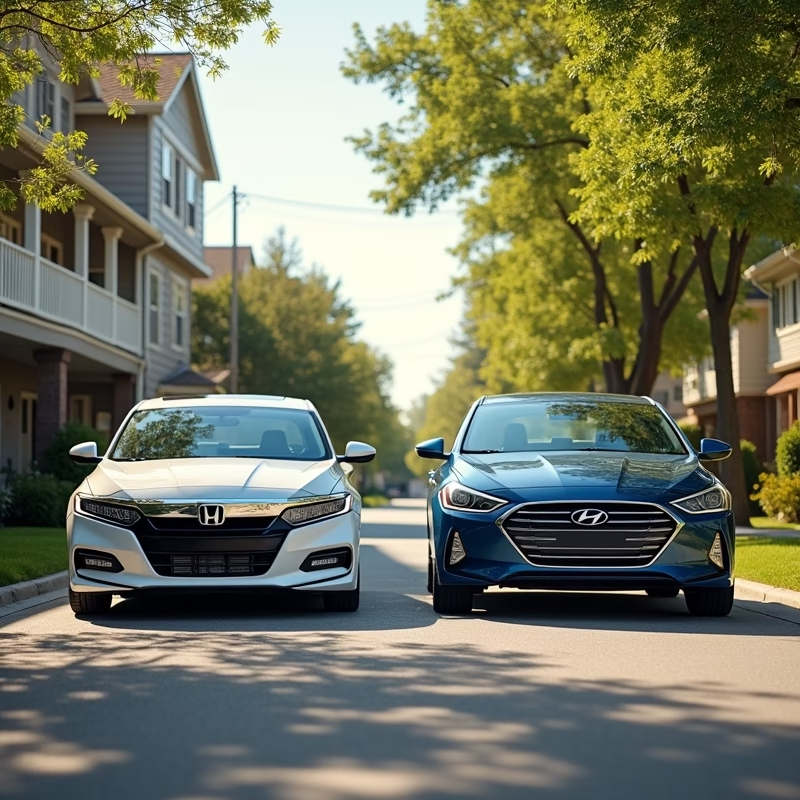
Three ways to compare cars without getting lost in spec-sheet noise
The best comparisons do not ask which car wins on paper. They ask which car fits your life, money, and ownership tolerance better.
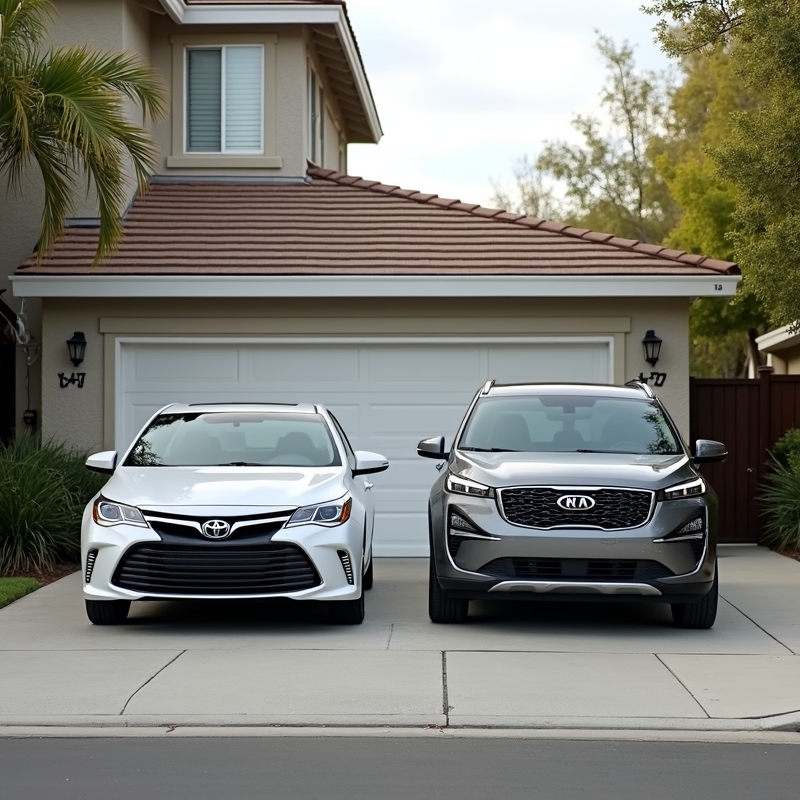
Compare side by side
Use one structure for both cars
Keep practicality, comfort, fuel cost, ownership pressure, and real use-case fit in the same frame.

Choose by priority
Comfort, simplicity, space, or value often decide the winner
Most close matchups are not about one “better” car. They are about the better fit for a specific kind of driver.

Look past purchase price
Ownership cost often decides what the smarter comparison result really is
A car can look like the winner until fuel, insurance, maintenance, and financing pull the decision in a different direction.
Start with comparisons that already match strong buyer decisions
These comparisons work because they answer a real buying question, not just a brand-vs-brand curiosity.
Honda Civic vs Toyota Corolla
A strong everyday comparison for drivers deciding between refinement, space, simplicity, and low-drama ownership.
Mazda3 vs Volkswagen Jetta
Useful when the comparison is less about specs and more about cabin feel, comfort, and what feels more grown-up to own.
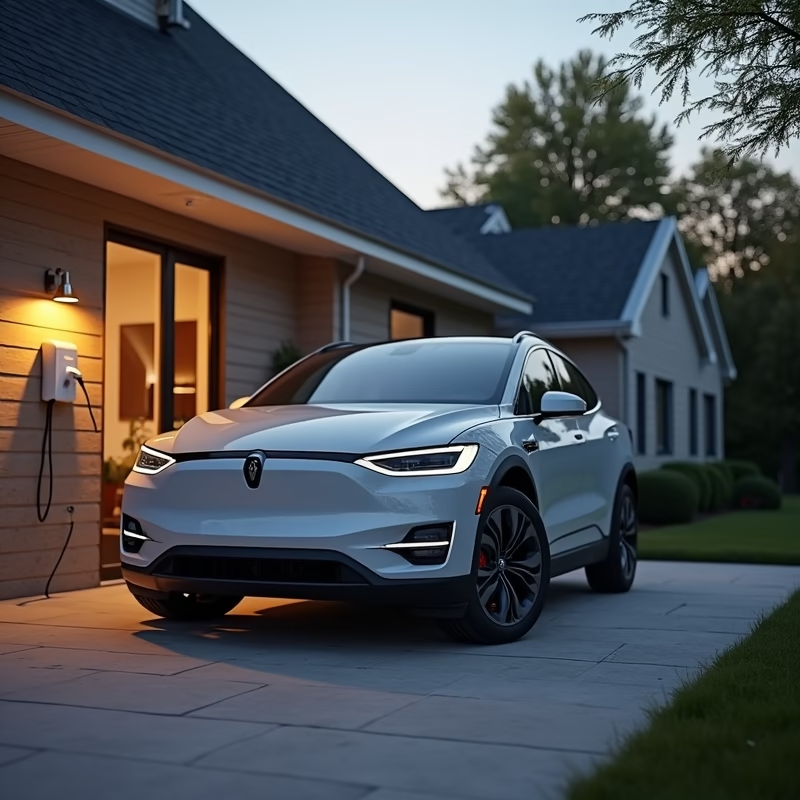
Toyota Corolla vs Prius
Ideal when a buyer is balancing efficiency, ownership trade-offs, and the simplicity of staying with a more familiar format.
Newest comparison content
When the shortlist is real, these are the tools that matter
Comparison pages work best when they move from reading to decision support. That is where tools do the heavy lifting.
Car Comparison Tool
The main next step when two or three realistic options are still too close to call.
Fuel Cost Calculator
Useful when the gap between two options may be small monthly, but meaningful over time.
Total Cost of Ownership Calculator
Helpful when a seemingly better car needs to be checked against the bigger ownership picture.
After the winner becomes clear, a small new-owner essentials block is enough
Comparison pages should not turn into shopping pages. But once the decision is close, a light bridge into useful ownership add-ons makes sense.
- phone mount and charger setup for daily driving convenience
- basic interior organization and simple tech essentials
- keep it secondary, optional, and clearly post-decision

When you want one cleaner place for notes, tradeoffs, and side-by-side thinking
A spreadsheet-based comparison kit fits naturally here because comparison is one of the few moments when people genuinely need structure more than more content.
- line up two or more vehicles with the same decision criteria
- track what matters most instead of what is easiest to remember
- make the final choice feel more rational and less emotional
The next places comparison readers usually need
Car Buying Guides
Go back here when the comparison reveals you need a better shortlist, not just a winner.
Ownership Costs
Move here when the difference between two options is really a cost decision in disguise.
EV & Hybrid
Useful when the comparison is really about charging fit, efficiency style, and daily routine.
Put your shortlist into the comparison tool before you keep reading
The fastest way to make comparison content useful is to bring your own two or three real options into one structured side-by-side view.