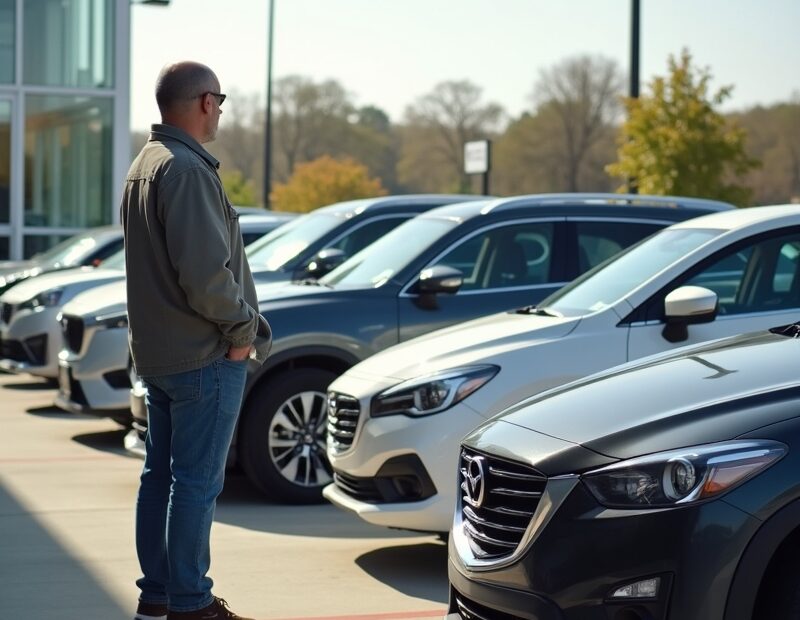
The best used cars under $30,000 are usually the ones with strong maintenance history, proven reliability, reasonable mileage, and lower ownership risk for your needs. For most buyers, smart picks include mainstream sedans, compact SUVs, and some hybrids with clean history reports, solid service records, and no obvious signs of deferred maintenance.
Best Used Cars Under $30,000 is a broad search, but the smartest answer is simple: prioritize condition, service history, and total ownership risk over badge appeal or extra features. In many cases, the best value comes from dependable sedans, compact SUVs, hybrids, and a few midsize family vehicles that have been maintained well and inspected carefully.
If you are shopping in this budget, you can often reach a sweet spot: new enough for modern safety and comfort features, but old enough to avoid the steepest early depreciation. The key is knowing what to check before you buy and which compromises are worth making.
Short answer: The best used cars under $30,000 are usually vehicles with a clean history, realistic mileage for their age, solid reliability reputation, and manageable maintenance needs. For most US buyers, that means focusing on mainstream used cars with strong parts availability, simple ownership costs, and a thorough pre-purchase inspection.
Key takeaways
- Condition matters more than trim level, wheels, or touchscreen size.
- A well-kept used car is often a better buy than a newer vehicle with poor maintenance history.
- Mainstream sedans, compact SUVs, and hybrids often deliver the best used car value under this budget.
- Always review service records, vehicle history, tire condition, brakes, and signs of accident repair.
- Use a used car inspection checklist before making a decision.
- Estimate long-term costs with the Total Cost of Ownership Calculator, not just the purchase price.
What matters most when buying a used car under $30,000
At this price point, buyers often get distracted by newer model years, luxury badges, or big feature lists. Those things can matter, but they should come after the basics.
1. Maintenance history
A complete service history can tell you more than the odometer alone. Regular oil changes, fluid services, brake work, tire replacement, and recall completion are all good signs. Missing records do not always mean a bad car, but they increase uncertainty.
2. Ownership risk
Some vehicles are cheap to buy but expensive to own. Others hold their value because they are easier to maintain, have better parts availability, or a stronger reputation for long-term durability. That is why smart buyers look beyond the sticker price and review likely maintenance and repair needs over time.
3. Realistic mileage for age
Low mileage sounds great, but very low mileage on an older used car is not automatically better. Cars that sit too much can still develop issues. A vehicle with normal mileage and excellent maintenance can be the safer pick compared with one that has suspiciously low use and poor records.
4. Pre-purchase inspection
No matter how nice the listing looks, a prepurchase inspection by a qualified mechanic is one of the most valuable steps you can take. It can help catch suspension wear, fluid leaks, old tires, weak batteries, uneven tire wear, brake issues, or signs of prior damage.
How to choose the best type of used car for your budget
Instead of chasing one specific model too early, start with the type of vehicle that fits your life. That usually leads to a better purchase.
Compact sedan: best for commuters and value seekers
If your main priorities are fuel economy, lower tire and brake costs, and easier parking, a compact sedan is often one of the safest used-car categories. These vehicles are commonly easier to insure and maintain than larger or more premium alternatives.
- Good fit for solo drivers, couples, and long commuters
- Often lower running costs than SUVs
- Usually easier to find with a strong service history
Midsize sedan: best for comfort without SUV costs
A midsize sedan can be a smart middle ground if you want more rear-seat room and highway comfort but do not need all-wheel drive or extra cargo height. In many cases, these are overlooked used values.
- Good fit for families with lighter cargo needs
- Often more comfortable on long drives
- Can offer strong value if SUVs in your area are overpriced
Compact SUV: best for flexibility
Compact SUVs remain popular for a reason. They are easier to get in and out of, often have more cargo flexibility, and suit buyers who want one vehicle to do everything reasonably well.
- Good fit for small families, pets, strollers, and weekend trips
- Usually more expensive than comparable sedans
- Worth paying for if you truly need space or ride height
Hybrid: best for heavy city driving
For urban and suburban drivers who rack up a lot of stop-and-go miles, a used hybrid can make sense. The main thing is verifying battery-related coverage history where applicable, checking maintenance records, and understanding that some hybrid systems may have different long-term service considerations.
- Good fit for high-mile commuting and frequent traffic
- Can reduce fuel spending depending on driving habits
- Needs careful inspection and record review
Best used car categories under $30,000
Rather than promising one universal winner, it is more useful to focus on categories that commonly make sense for buyers at this budget.
Reliable compact cars
These often represent the safest all-around value. They usually offer straightforward maintenance, broad mechanic familiarity, and a large used inventory. If you want the lowest ownership stress, this is often the first place to look.
Low-maintenance midsize family cars
For buyers who want comfort and space without moving into SUV pricing, a clean midsize car can be one of the best used car values available. This category can also be a smart buy if insurance prices on crossovers are higher in your area.
Practical compact SUVs
If your lifestyle really benefits from hatch access, cargo flexibility, or a higher seating position, a compact SUV can justify the premium. Just be careful not to overpay for appearance packages you do not need.
Used hybrids with good records
Many buyers shopping for reliable used cars under $30,000 are really trying to reduce monthly fuel and maintenance surprises. A well-documented hybrid can help, but the files matter. Service records and a clean inspection are especially important here.
A simple checklist for comparing used cars
When you narrow your options, compare each vehicle using the same framework:
- Check the title status and vehicle history report.
- Confirm maintenance records and recall work.
- Inspect tires, brakes, battery, fluids, and underbody condition.
- Look for mismatched paint, uneven panel gaps, or flood damage signs.
- Take a long enough test drive to notice steering, braking, and transmission behavior.
- Estimate ownership costs using the Total Cost of Ownership Calculator.
- Review upcoming service items with the Maintenance Schedule Checker.
- Use a detailed used car checklist before you commit.
If you want more guidance on practical shopping priorities, the Used Cars section and broader car buying guides can help you compare options with less guesswork.
How to spot used car value instead of just a low asking price
Used car value is not the same as a cheap listing. A lower price can hide upcoming costs. The better buy is often the vehicle that costs a little more up front but needs less work over the next two years.
Signs of a better-value used car
- Consistent service records
- Original manuals, spare key, and organized ownership paperwork
- Even tire wear and matching tire types
- Clean interior and exterior without signs of neglect
- Smooth cold start and stable idle
- No warning lights and no obvious fluid leaks
Signs a cheap used car may become expensive
- Fresh detail covering deeper neglect
- Uneven tire wear that may point to suspension or alignment issues
- Delayed shifting, harsh braking, or vibrations at speed
- Missing maintenance history
- Aftermarket modifications with unclear quality
- Seller avoids questions about accident repair or service
Common mistakes buyers make under this budget
This is where many used-car buyers lose value, even when their budget is solid.
Buying too much vehicle for the budget
A premium SUV or luxury sedan may look tempting under $30,000, but older higher-end vehicles can bring higher repair bills, larger tires, more expensive brakes, and pricier electronics. In many cases, a well-kept mainstream model is the smarter long-term buy.
Ignoring the trim-level trap
Buyers often stretch for a top trim when the smarter move is a lower trim in better condition. Heated seats and panoramic roofs are nice, but they should not outrank service history and mechanical condition.
Focusing only on mileage
Mileage matters, but it is only one part of the picture. How the vehicle was driven, serviced, stored, and repaired often matters just as much.
Skipping the cost-of-ownership math
A car that fits your purchase budget may still strain your monthly budget once insurance, routine maintenance, fuel, tires, and repairs are added. That is why it helps to review broader ownership costs before you decide.
Used car myths and misconceptions
Myth: Newer always means better
Not necessarily. A slightly older vehicle with stronger maintenance history can be safer than a newer one with accident damage, poor service records, or signs of abuse.
Myth: One-owner automatically means problem-free
One-owner history can be helpful, but it is not a guarantee. The real question is how well that owner maintained the vehicle.
Myth: Certified or dealer-sold means you can skip inspection
Dealer preparation can be helpful, but it is still wise to inspect the vehicle carefully. Policies and standards vary, and no listing should replace your own due diligence.
Myth: SUVs are always the better family choice
For some households, yes. But many families can save money with a midsize sedan that provides enough space while costing less to buy and maintain.
Who this article is best for
- Buyers who want the best used cars under 30000 without overcomplicating the search
- Drivers who care more about reliability and value than luxury branding
- Commuters choosing between a sedan, hybrid, or compact SUV
- Families trying to balance space, safety features, and ownership risk
- First-time used-car buyers who want a practical framework instead of hype
If you want the shortest path to a smart purchase, focus on clean-history mainstream vehicles with documented maintenance and predictable running costs.
Gear that can help after you buy
Once you buy a used car, a few simple items can make ownership easier and help you stay ahead of minor issues. Useful categories include:
- Tire pressure gauge and portable inflator
- Basic emergency kit and flashlight
- Phone mount and charging cable
- Seat protectors or cargo liners if you carry kids, pets, or gear
- Battery jump starter
- Simple cleaning and interior care supplies
If you want to look through practical ownership items, you can browse useful car care essentials or explore buyer-focused vehicle options on Amazon Autos as a next step.
How to move from research to action
- Choose your top vehicle category: sedan, compact SUV, midsize car, or hybrid.
- Set a realistic all-in budget that leaves room for tax, registration, insurance, and first maintenance.
- Shortlist vehicles with clean history and documented service.
- Run each one through your inspection process and test drive.
- Use the Maintenance Schedule Checker to see what may be due soon.
- Estimate long-term costs before you buy using the ownership tools on CroAuto.
This bridge from research to action is what often separates a good deal from a stressful one.
FAQ
Is $30,000 enough for a good used car in the US?
Yes. In many markets, $30,000 is enough to buy a late-model mainstream sedan, compact SUV, or hybrid with modern safety and comfort features. The exact value depends on vehicle condition, mileage, local demand, and maintenance history.
What is the safest used car type to shop for under $30,000?
For many buyers, mainstream compact and midsize cars are the safest starting point because they often have lower ownership risk, easy parts availability, and broad mechanic familiarity. Compact SUVs can also be a smart choice if you need flexibility.
Should I buy an older luxury car or a newer mainstream car?
For most shoppers, a newer mainstream car is the safer value play. Older luxury vehicles may offer more features, but repair costs, electronics issues, and maintenance prices can be much higher depending on the brand and model.
How much mileage is too much on a used car?
There is no single cutoff. Higher-mileage cars can still be good buys if they were maintained properly and pass inspection. A lower-mileage car with poor service history may actually be riskier.
What should I check first on a used car?
Start with the title status, history report, service records, tire condition, brake feel, warning lights, fluid leaks, and signs of accident repair. Then schedule a pre-purchase inspection before making a final decision.
Are hybrids a good used buy under $30,000?
Often, yes. A well-maintained hybrid can be a strong value for commuters and city drivers. Just make sure you review service records carefully and understand upcoming maintenance items before buying.
Conclusion
The best used cars under $30,000 are rarely the flashiest ones. They are the vehicles that match your needs, show clear evidence of good care, and keep ownership risk manageable after the sale. If you stay focused on maintenance history, inspection results, and realistic long-term costs, you will usually make a smarter choice than buyers who shop by trim badge alone.
Before you buy, work through a used car inspection checklist, review likely maintenance with the Maintenance Schedule Checker, and estimate the bigger picture with the Total Cost of Ownership Calculator. When you are ready to keep browsing, you can also explore buyer-focused vehicle options on Amazon Autos for a practical next step.