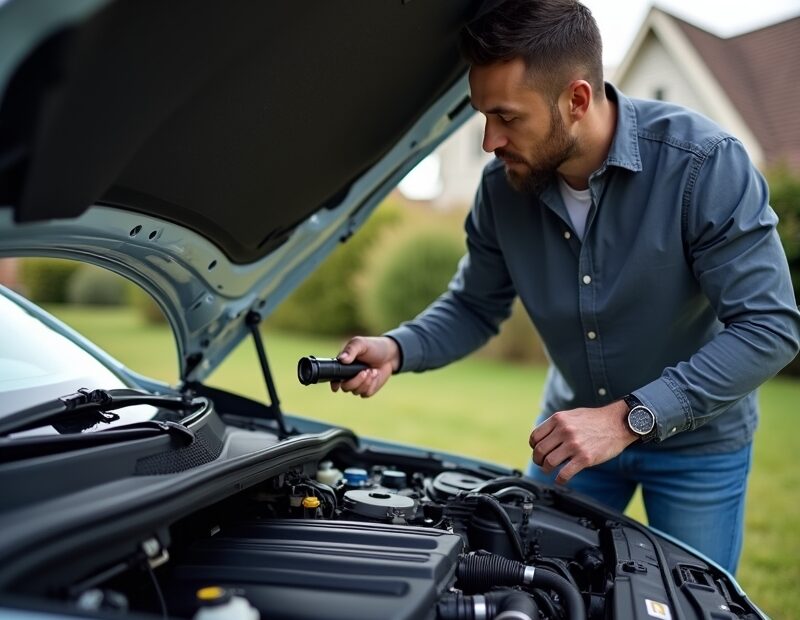
In many cases, you should inspect belts and hoses at every oil change or about every 5,000 to 7,500 miles, and always before a long trip. Check for cracks, fraying, glazing, swelling, leaks, or soft spots. Also follow your owner’s manual, since replacement intervals and inspection needs can vary by vehicle.
How Often Should You Inspect Belts and Hoses?
Belts and hoses are easy to ignore because they usually do their job quietly until something goes wrong. But when they fail, the result can be anything from a dead battery to overheating, loss of power steering assist, or a roadside breakdown. The good news is that regular inspections are simple, quick, and often cheaper than waiting for a problem.
Short answer: inspect belts and hoses at every oil change in many cases, or roughly every 5,000 to 7,500 miles, and always before a long drive. If your vehicle has a specific maintenance interval, follow the owner’s manual first. Age, heat, mileage, and driving conditions all matter.
- Check belts and hoses regularly: a quick inspection during routine service is usually the safest habit.
- Look for visible wear: cracks, fraying, glazing, bulges, swelling, leaks, and soft spots are common warning signs.
- Do not rely on mileage alone: rubber parts can age out even if the car is not driven much.
- Inspect before road trips: a weak hose or worn belt can turn a simple drive into a towing bill.
- Use your manual as the final guide: replacement intervals vary by vehicle and engine design.
Why belts and hoses matter more than most drivers think
Belts and hoses support core systems that keep your car running and safe to drive. A drive belt, often called a serpentine belt, helps power accessories such as the alternator, water pump, air conditioning compressor, and sometimes the power steering pump. If that belt slips, cracks, or breaks, you may lose charging, cooling, or steering assist depending on the vehicle.
Hoses move fluids where they need to go. Cooling system hoses carry coolant between the radiator and engine. Other hoses may support vacuum systems or emissions-related functions. If a hose splits, leaks, or collapses, the engine can overheat or run poorly.
That is why this basic maintenance item belongs in any solid car care routine. Ignoring it can raise repair costs fast.
How often should you inspect belts and hoses?
For most drivers, the practical answer is simple: inspect them at every oil change and before any long trip. That schedule is frequent enough to catch obvious wear without overcomplicating maintenance.
A simple service interval to follow
- At every oil change
- Before summer road trips or holiday travel
- When buying a used car
- Any time you notice overheating, squealing, fluid loss, or a warning light
- During regular professional maintenance visits
If you are not sure what your vehicle calls for, use a Maintenance Schedule Checker and compare that with your owner’s manual. Some vehicles may have longer replacement intervals, while others need closer attention because of engine layout, temperature, or age.
What matters most
Inspection frequency matters, but condition matters more. A low-mileage older vehicle can still have brittle hoses or aging rubber. A newer vehicle used in extreme heat, stop-and-go traffic, or dusty conditions may also wear parts faster than expected. The smartest approach is to combine interval-based checks with condition-based decision making.
What to check during an inspection
You do not need to perform a major diagnosis to catch common belt and hose issues. A careful visual check can reveal a lot. If the engine is hot, let it cool first.
Belts
- Cracks: small surface cracks can be an early sign of aging.
- Fraying: worn edges may mean misalignment or deterioration.
- Glazing: a shiny belt surface can suggest slipping.
- Missing ribs: ribbed belts should have a consistent shape.
- Squealing noises: often linked to slipping, improper tension, or contamination.
- Oil or coolant contamination: fluid on a belt can shorten its life.
Hoses
- Bulges or swelling: often a sign the hose is weakening from the inside.
- Soft spots: hoses should not feel mushy when cool.
- Cracks near clamps: common failure points.
- Leaks or residue: dried coolant crust or dampness can point to seepage.
- Collapsed shape: some hoses can weaken and flatten under load.
- Brittleness: old rubber may feel dry and stiff.
If you are shopping for a used vehicle, these are exactly the kind of details worth checking with a Used Car Inspection Checklist. A neglected engine bay can reveal a lot about how the car was maintained.
Warning signs you should not ignore
Many cars give at least a few clues before a belt or hose fails completely. Catching those clues early is where you save money.
- High engine temperature or overheating
- Coolant smell near the front of the car
- Puddles or drips under the vehicle
- Squealing or chirping from the engine bay
- Battery warning light or charging issues
- Weak air conditioning performance tied to accessory belt problems
- Steam from under the hood
- Visible cracks, swelling, or belt wobble
If you notice heat-related symptoms, stop driving as soon as it is safe and inspect the situation carefully. Continuing to drive an overheating vehicle can lead to much more expensive engine damage.
Belts vs hoses: how the risk differs
Both are important, but they usually fail in different ways.
When a belt fails
A worn serpentine belt may start with a squeal, but if it breaks, the alternator may stop charging and the cooling system may be affected depending on the engine. In some vehicles, you could lose steering assist as well. That can turn a minor wear item into an immediate drivability issue.
When a hose fails
A bad hose often leads to coolant loss. That means overheating risk. Even a small leak can become a big problem if the coolant level drops too far. Hose failures also tend to get worse quickly once a weak section opens up under pressure.
So if you are choosing what deserves urgent attention, focus on anything tied to charging, cooling, or steering first. Those systems can leave you stranded or lead to secondary damage.
How this affects long-term ownership cost
Belts and hoses are classic examples of low-cost maintenance helping you avoid high-cost repairs. Replacing a worn hose or old belt is usually far cheaper than paying for a tow, emergency labor, overheated engine damage, or a failed road trip.
This is where preventive maintenance has real budget value. If you track your broader running costs, CroAuto’s ownership costs content can help you think beyond fuel and monthly payments. Seemingly small maintenance items often make the difference between predictable ownership and surprise bills.
If you are planning a long drive, it also helps to estimate your trip budget ahead of time with the Road Trip Cost Calculator. That way, routine pre-trip maintenance becomes part of the total picture, not an afterthought.
Common mistakes and myths
My car has low miles, so the hoses are fine
Not always. Rubber ages with time, heat cycles, and environmental exposure. A lightly driven older vehicle can still have aging hoses and belts.
If nothing is leaking, there is no problem
Many hoses show swelling, cracking, or soft spots before they start leaking badly. Waiting for visible fluid loss can mean you waited too long.
A squeaky belt just needs spray
Noise can come from wear, contamination, pulley issues, or incorrect tension. A temporary dressing is not a real fix and can sometimes make diagnosis harder.
Belts and hoses fail without warning
Sometimes they do, but often there are clues first. Routine inspections are the best way to catch those clues.
I can just go by a generic mileage rule
General rules are helpful, but the owner’s manual and actual condition should guide final timing. Vehicle design and operating conditions vary.
Who this article is best for
- Drivers who want a simple maintenance checklist they can actually follow
- Owners of older cars trying to avoid surprise breakdowns
- Anyone planning a road trip and doing a quick pre-trip check
- Used car shoppers inspecting engine-bay condition before buying
- DIY-minded owners who want to spot early warning signs before booking service
If that sounds like you, it is worth bookmarking the main CroAuto homepage and the Maintenance & Car Care section for routine reference.
How to choose the right next step
If you find a possible problem, the right response depends on what you see.
- Minor surface wear but no symptoms: monitor closely and ask for an inspection at your next scheduled service.
- Visible cracks, fraying, swelling, or seepage: plan service soon rather than waiting.
- Overheating, major leak, or belt failure symptoms: stop driving if needed and get the vehicle checked promptly.
- Buying a used car: treat worn belts and hoses as negotiation points and signs to inspect the rest of the maintenance history more carefully.
The biggest mistake is delaying action once there is a clear sign of deterioration. With cooling and charging systems, small problems can become expensive fast.
Helpful products for this situation
You do not need a garage full of equipment to stay ahead of basic belt and hose issues, but a few product types can make inspections easier and more useful.
- Flashlights or work lights for checking hidden wear
- Mechanic gloves for safer visual inspections on a cool engine
- Funnel and coolant-safe cleanup supplies for minor maintenance support
- Basic hand tools for non-invasive access where appropriate
- Replacement hoses, clamps, or belts when your vehicle is due and you have confirmed the correct fitment
If you want a practical place to start, you can see practical maintenance tools or see replacement parts and basics for common service items. It is still smart to verify part compatibility with your owner’s manual, VIN, or a qualified parts source before ordering.
A simple bridge from advice to action
- Check your owner’s manual for the recommended service interval.
- Inspect belts and hoses at your next oil change or before your next long trip.
- Write down any visible cracking, leaks, bulges, or noise symptoms.
- Use the Maintenance Schedule Checker if you need a quick planning reference.
- If you are evaluating a secondhand vehicle, use the Used Car Inspection Checklist to keep the inspection organized.
That process is easy to repeat and can help you avoid one of the more common causes of preventable breakdowns.
FAQ
How often should belts and hoses be replaced?
Replacement timing depends on the vehicle, engine design, age, and driving conditions. Many drivers inspect them at every oil change and replace them when wear is visible or when the manufacturer recommends it. Your owner’s manual should be the main reference.
Can I inspect belts and hoses myself?
Yes, a basic visual inspection is possible for many owners as long as the engine is off and cool. You can look for cracks, fraying, swelling, leaks, or soft spots. If access is tight or you are unsure what you are seeing, have a technician inspect them.
Do belts and hoses wear out faster in hot climates?
In many cases, yes. Heat can speed up rubber aging and increase stress on cooling system components. Heavy traffic, towing, and frequent short trips can also add wear.
Should I inspect belts and hoses before a road trip?
Yes. A quick pre-trip inspection is a smart habit, especially on older vehicles. It can help you catch leaks, weak hoses, or obvious belt wear before you are far from home.
What is the most common symptom of a bad hose?
Common signs include coolant leaks, overheating, a sweet coolant smell, crusty residue near hose connections, and swelling near the ends of the hose.
Is a squealing belt always a bad belt?
Not always. Squealing can also come from pulley issues, tension problems, or contamination from oil or coolant. The belt should still be inspected because the noise usually means something needs attention.
Conclusion
If you want a practical rule, inspect belts and hoses at every oil change and before long trips, then let the owner’s manual and real-world condition guide replacement timing. It is one of the simplest ways to reduce breakdown risk and control long-term ownership cost.
For your next step, check your schedule, do a quick visual inspection, and use the right planning tools if needed. If your car is due for wear items, you can also browse common replacement parts on Amazon after confirming fitment. A few minutes now can save a much bigger hassle later.